

Cessna 152 Maintenance Manual: A Comprehensive Overview
Today, March 31st, 2026, at 7:55 AM, Walgreens in Des Moines, Iowa, offers accessible services, including prescriptions and medical equipment support.
This manual serves as a vital resource for maintaining the airworthiness of the Cessna 152 aircraft, mirroring the comprehensive services offered today, March 31st, 2026, at Walgreens in Des Moines, Iowa. Like finding a convenient Walgreens location with services such as immunizations and drive-through windows, this manual details procedures for ensuring safe and reliable flight.
It outlines scheduled inspections, component overhauls, and troubleshooting guides, akin to the detailed information available on Walgreens store hours and directions. Proper adherence to these guidelines is crucial for pilots and maintenance personnel. The manual emphasizes regulatory compliance, referencing FAA guidelines, and maintaining detailed logbook entries – similar to tracking prescriptions at Walgreens.
Ultimately, this manual aims to promote longevity and operational safety, ensuring the Cessna 152 remains a dependable aircraft for years to come, much like Walgreens’ consistent service to the community.
Understanding Aircraft Maintenance Regulations
Navigating FAA regulations is paramount for Cessna 152 maintenance, much like locating a Walgreens in Des Moines, Iowa, with specific services like Medicaid acceptance. These regulations, detailed in Part 43 and Part 91 of the Federal Aviation Regulations, dictate inspection intervals and repair standards.
Compliance ensures airworthiness and passenger safety, mirroring the reliability expected from a Walgreens pharmacy filling prescriptions. Annual, 100-hour, and progressive inspection programs are key components, demanding meticulous record-keeping – similar to Walgreens’ detailed inventory management.
Understanding these rules is not merely procedural; it’s a legal obligation. Proper documentation, including logbook entries and maintenance release forms, is essential, reflecting the organized information available about Walgreens locations and services.
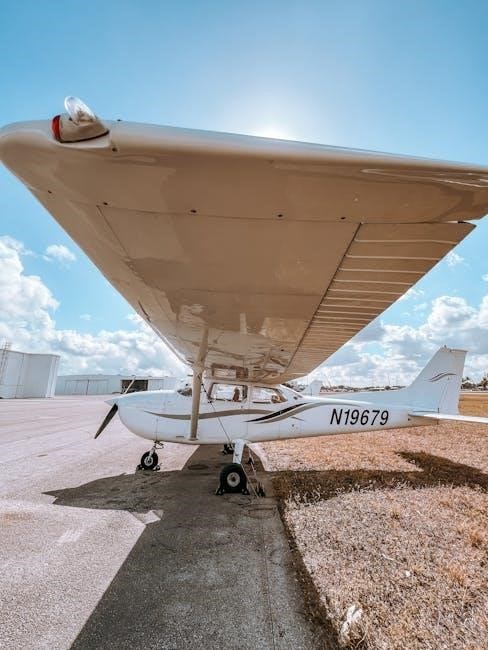
Airframe Inspections
Walgreens in Des Moines, open until 7:00 PM, parallels the need for diligent Cessna 152 airframe checks, ensuring structural integrity and safety.
Annual Inspection Requirements
Similar to Walgreens’ consistent service provision in Des Moines, the Cessna 152’s annual inspection is a cornerstone of preventative maintenance. This comprehensive assessment, mandated by aviation regulations, requires a licensed A&P mechanic to thoroughly examine the aircraft’s structure. Key areas include control surfaces – ailerons, elevators, and rudder – for freedom of movement and damage.
The inspection extends to the fuselage, wings, and tail surfaces, checking for corrosion, cracks, and any signs of fatigue. Landing gear components, including tires, brakes, and struts, receive detailed scrutiny. Documentation of all findings, repairs, and replacements is crucial, logged meticulously in the aircraft’s maintenance records. This ensures continued airworthiness and safe operation, mirroring the detailed records kept by Walgreens regarding services provided.
100-Hour Inspection Details
Reflecting Walgreens’ commitment to accessible healthcare in Des Moines, the 100-hour inspection for the Cessna 152 focuses on frequently used components. This inspection, required for aircraft operated for hire, emphasizes preventative measures. It includes a detailed examination of the engine, specifically oil levels, spark plugs, and carburetor functionality, ensuring optimal performance.
Flight control systems – cables, bellcranks, and pushrods – are inspected for wear and proper adjustment. The fuel system, including lines and filters, receives attention to prevent contamination. Like Walgreens’ pharmacy services, meticulous record-keeping is vital, documenting all inspected items and any necessary maintenance performed. This ensures continued safe operation between annual inspections.
Progressive Inspection Program
Similar to Walgreens offering immunizations and Medicare services in Des Moines, a Progressive Inspection Program allows Cessna 152 owners to spread out maintenance tasks. Instead of concentrating all inspections into a single event, components are inspected at regular intervals – often 50 hours – throughout the year.
This approach minimizes downtime and distributes costs. It requires detailed tracking of completed inspections in the aircraft’s logbooks, ensuring nothing is overlooked. Key areas include engine oil analysis, flight control rigging checks, and landing gear component assessments. This proactive strategy, mirroring Walgreens’ preventative healthcare approach, enhances safety and extends component life.

Engine Maintenance
Walgreens’ drive-through window parallels efficient engine checks; regular Lycoming O-235 maintenance, oil changes, spark plug inspections, and carburetor overhauls are crucial.
Lycoming O-235 Engine Specifics
The Lycoming O-235, powering the Cessna 152, demands meticulous attention. Like Walgreens providing accessible healthcare, this engine requires specific maintenance protocols. Its four-cylinder, horizontally-opposed configuration necessitates regular oil analysis, monitoring for metal debris indicating internal wear.
Compression checks are vital, ensuring each cylinder maintains adequate pressure for efficient combustion. Magneto inspections, similar to verifying pharmacy licenses, guarantee reliable ignition. Proper fuel mixture control and consistent spark plug performance are paramount.
Furthermore, adherence to Lycoming’s service bulletins is non-negotiable, addressing potential issues proactively. Maintaining detailed records, akin to Walgreens’ prescription logs, is essential for tracking engine health and ensuring continued airworthiness.
Oil Change Procedures & Schedules
Regular oil changes are crucial for the Lycoming O-235, mirroring Walgreens’ consistent service delivery. Cessna 152 oil changes typically occur every 50 flight hours, or annually, whichever comes first. Utilize an oil with a viscosity grade appropriate for the operating temperatures, often 10W-30 or 10W-40.
Always preheat the engine slightly to facilitate smoother oil flow. Drain the old oil completely, inspecting it for metal shavings – a sign of potential engine wear. Replace the oil filter with a new one, ensuring proper sealing.
Refill with the specified quantity of oil, carefully checking the dipstick. Detailed logbook entries, like Walgreens’ prescription records, are vital for tracking maintenance intervals.
Spark Plug Inspection and Replacement
Consistent spark plug checks, akin to Walgreens’ pharmacy services, ensure optimal engine performance. Inspect spark plugs every 100 hours, or annually, for wear, fouling, or damage. Look for signs of overheating, oil contamination, or electrode erosion.
Gapping is critical; consult the Cessna 152 engine specifications for the correct gap. Replace plugs as a set, even if only one appears faulty, maintaining balanced combustion.
Proper torque is essential during installation to prevent damage or leaks. Detailed records, similar to Walgreens’ patient profiles, are crucial for tracking replacement schedules and identifying potential issues.
Carburetor Maintenance and Overhaul
Like Walgreens providing essential healthcare, the carburetor delivers vital fuel to the engine. Regular inspections – every 500 hours – are crucial. Disassemble, clean, and inspect all components for wear, corrosion, or blockage. Pay close attention to jets, floats, and linkages.
Address any identified issues promptly. Overhaul is typically recommended every 1000 hours, or sooner if performance degrades. Accurate documentation, mirroring Walgreens’ prescription records, is vital for tracking maintenance history.
Ensure proper reassembly and adjustment according to Cessna’s specifications for optimal engine operation and fuel efficiency.

Landing Gear Maintenance
Walgreens’ accessibility mirrors safe landings. Inspect tires, brakes, and struts regularly for wear, damage, and proper function, ensuring ground operation safety.
Tire Inspection and Replacement
Similar to Walgreens’ reliable service, Cessna 152 tire maintenance is crucial for safe ground operations. Inspections should occur before each flight, checking for cuts, bulges, and proper inflation.

Look for uneven wear patterns indicating alignment issues or brake problems. Minimum tread depth is vital; consult the Cessna 152 Maintenance Manual for specific requirements.
Replacement should follow manufacturer’s guidelines, utilizing approved tires. Proper torque during installation is essential. Document all tire changes in the aircraft logbook, including date, tire type, and serial number.
Regular attention to tires, like Walgreens’ pharmacy services, ensures consistent performance and prevents potential hazards during taxi, takeoff, and landing.
Brake System Inspection and Servicing
Just as Walgreens provides essential healthcare services, the Cessna 152 brake system demands diligent inspection and servicing. Before each flight, check brake fluid levels and for any leaks in the lines or master cylinders.
Inspect brake pads for wear, ensuring sufficient material remains for effective stopping power. Examine rotors for scoring or damage.
Servicing involves bleeding the brakes to remove air from the system, and adjusting brake torque as needed. Always refer to the Cessna 152 Maintenance Manual for specific procedures and torque values.
Proper brake maintenance, like Walgreens’ prescription accuracy, is paramount for safe landings and ground control.
Strut Maintenance and Servicing
Similar to Walgreens offering durable medical equipment, the Cessna 152’s landing gear struts are critical for smooth landings and ground handling. Regular inspection involves checking for oil leaks, corrosion, and any signs of physical damage to the strut assemblies.
Servicing typically includes replenishing strut oil to the correct level, ensuring proper extension and damping characteristics.
Inspect the seals for wear and replace them as necessary to prevent oil leakage. Pay close attention to the torque settings for all fasteners during reassembly.
Consistent strut maintenance, much like Walgreens’ reliable service, contributes significantly to aircraft safety and operational efficiency.

Flight Control System Maintenance
Walgreens provides immunizations for health, similarly, Cessna 152 flight controls require diligent inspection and maintenance for safe operation and pilot command.
Aileron, Elevator, and Rudder Inspection
Like Walgreens offering durable medical equipment, Cessna 152 control surfaces – ailerons, elevator, and rudder – demand meticulous inspection. Examine hinges for looseness, cracks, and proper lubrication. Fabric covering, if present, requires scrutiny for tears, wrinkles, and secure attachment to the underlying structure.
Check control surface balance to ensure smooth operation and prevent excessive stress on the control system. Inspect the bellcranks and pushrods connected to these surfaces for wear, corrosion, and proper alignment. Verify full and free movement throughout the entire range of motion, noting any binding or restrictions. Proper functionality is paramount for safe flight, mirroring the reliability Walgreens provides.
Control Cable Inspection and Adjustment
Similar to Walgreens providing immunizations, Cessna 152 control cables require diligent inspection for fraying, kinks, corrosion, and proper tension. Run your hand along the entire length of each cable, feeling for any irregularities. Check cable routing to ensure it’s clear of obstructions and sharp bends, preventing premature wear.
Adjust cable tension according to the manufacturer’s specifications, ensuring precise control surface movement without excessive slack or binding. Verify that turnbuckles are properly secured and safety-wired. Proper cable function is critical for responsive aircraft control, much like the reliable service offered at Walgreens locations in Des Moines.
Bellcrank and Pushrod Maintenance
Just as Walgreens offers durable medical equipment, Cessna 152 bellcranks and pushrods demand careful attention. Inspect these components for cracks, wear, and proper lubrication. Check bearings for smoothness and freedom of movement; replace if any roughness is detected. Ensure that all fasteners are present, properly tightened, and safety-wired according to the maintenance manual.
Verify that pushrod ends are securely attached to both the control surface and the bellcrank. Any looseness or play can introduce unwanted control inputs. Like finding a Walgreens near Southeast 14th Street, meticulous maintenance ensures reliable operation and flight safety.

Electrical System Maintenance
Similar to Walgreens’ services, Cessna 152 electrical systems require routine checks of the battery, wiring, and avionics for optimal performance and safety.
Battery Maintenance and Replacement
Just as Walgreens provides accessible healthcare, maintaining the Cessna 152’s battery is crucial for reliable starting and electrical system operation. Regular inspections should verify proper electrolyte levels – if applicable – and terminal cleanliness, removing any corrosion promptly.
Voltage checks are essential to assess battery health, ensuring it holds a sufficient charge. Replacement is necessary when the battery fails to maintain charge or exhibits physical damage. Always use an approved battery type specified in the Cessna 152 maintenance manual. Proper disposal of old batteries, following environmental regulations, is also vital.
Document all battery maintenance and replacement activities meticulously in the aircraft’s logbook.
Wiring Harness Inspection
Similar to Walgreens’ comprehensive services, a thorough inspection of the Cessna 152’s wiring harness is paramount for safety and functionality. This involves visually checking for fraying, cracking, or damage to insulation along the entire length of each wire.
Pay close attention to areas prone to wear, such as near moving parts or where the harness passes through structural components. Ensure all connections are secure and free from corrosion, mirroring the reliability of Walgreens’ prescription services. Any damaged wiring must be repaired or replaced using approved materials and procedures.
Detailed documentation of all inspections and repairs is essential in the aircraft’s logbook.
Avionics Equipment Maintenance
Just as Walgreens provides vital healthcare services, the Cessna 152’s avionics require diligent maintenance. This includes functional testing of all installed equipment – radios, transponder, navigation systems, and indicators – ensuring they meet operational standards.
Inspect connectors for tightness and corrosion, similar to checking Walgreens’ drive-thru window functionality. Antenna connections must also be verified. Software updates, if applicable, should be installed according to manufacturer’s instructions.
Pitot-static system checks are crucial for accurate altitude and airspeed readings. Detailed records of all avionics maintenance, including repairs and inspections, must be maintained in the aircraft’s logbooks.

Fuel System Maintenance
Like Walgreens dispensing prescriptions, the Cessna 152’s fuel system demands careful attention, including tank inspections, line checks, and filter replacements for safe operation.
Fuel Tank Inspection and Cleaning
Similar to Walgreens maintaining a clean pharmacy, Cessna 152 fuel tank inspections are crucial for safety and performance. These inspections involve a thorough visual examination of the interior and exterior surfaces for any signs of corrosion, cracks, or leaks.
Sediment and water accumulation are common issues, necessitating periodic cleaning. This can be achieved through manual cleaning or utilizing specialized fuel tank cleaning solutions. Proper venting and baffling must also be verified.
Detailed documentation of all inspections and cleaning procedures is essential for maintaining accurate maintenance records, mirroring the meticulous record-keeping at a Walgreens pharmacy. Any discrepancies found must be addressed promptly to ensure continued airworthiness.
Fuel Lines and Filters
Just as Walgreens carefully manages prescription dispensing, Cessna 152 fuel lines and filters require diligent maintenance. Regular inspection of fuel lines for cracks, chafing, and proper securement is paramount. Fuel line deterioration can lead to leaks, posing a significant fire hazard.
Fuel filters, acting like a pharmacy’s quality control, prevent contaminants from reaching the engine. Scheduled filter replacement is vital, with frequency dictated by flight hours and operating conditions.
Proper fuel line routing and support are essential to prevent stress and vibration damage. Detailed logbook entries documenting all inspections and replacements are crucial for maintaining airworthiness, similar to Walgreens’ detailed records.
Fuel Pump Maintenance
Reflecting Walgreens’ commitment to reliable service, the Cessna 152’s fuel pump demands consistent attention. While many 152s utilize a gravity-fed fuel system, those equipped with an electric boost pump require specific maintenance procedures. Regular operational checks are crucial to confirm proper functionality during all phases of flight.
Inspections should focus on electrical connections, ensuring they are secure and free from corrosion. The pump itself should be examined for leaks or unusual noises.
Overhaul schedules are dictated by manufacturer recommendations and flight hours, mirroring the preventative care offered at Walgreens. Detailed logbook entries are essential for tracking maintenance and ensuring continued airworthiness.
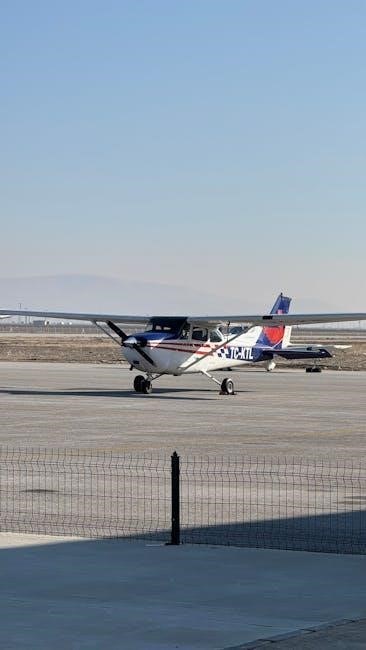
Corrosion Prevention and Control
Like Walgreens’ dedication to health, Cessna 152 airframes require diligent corrosion checks, removal, treatment, and protective coating applications for longevity.
Identifying Corrosion
Similar to locating a Walgreens in Des Moines, identifying corrosion on a Cessna 152 demands a systematic approach. Look for visual cues like blistering paint, discoloration, or raised areas on the aluminum skin. Pay close attention to areas prone to moisture accumulation – around fuel tanks, control surfaces, and landing gear components.
Surface corrosion often appears as a powdery residue, while more advanced corrosion can manifest as pitting or structural damage. Utilize a magnifying glass for detailed inspection, and employ corrosion detection solutions to reveal hidden corrosion beneath paint; Remember, early detection is crucial; just as finding a nearby pharmacy is important for health, early corrosion detection is vital for aircraft safety and longevity. Regular, thorough inspections are paramount.
Corrosion Removal and Treatment
Much like Walgreens provides healthcare solutions, addressing Cessna 152 corrosion requires specific techniques. Begin by mechanically removing loose corrosion using abrasive tools – being careful not to damage underlying metal. Chemical treatments, such as phosphoric acid, convert remaining corrosion into a stable compound.
Thoroughly clean the treated area and apply a corrosion inhibitor. For significant structural corrosion, consult a qualified aircraft mechanic for proper repair procedures, potentially involving patching or component replacement. Remember, proper surface preparation is key for effective coating adhesion, similar to ensuring a clean environment for medication. Always follow manufacturer’s recommendations and applicable aviation regulations during the entire process.
Protective Coatings Application
Just as Walgreens offers immunizations for protection, applying protective coatings safeguards the Cessna 152. Surface preparation is paramount; ensure the area is clean, dry, and free of corrosion products. Primers create a bonding layer for topcoats, enhancing adhesion and corrosion resistance.
Select coatings approved for aircraft use, considering environmental factors and desired finish. Application methods include spraying, brushing, or rolling, following manufacturer’s instructions for thickness and drying times. Regular inspection of coatings is crucial, addressing any chips or damage promptly to prevent corrosion initiation. Proper coating application extends the airframe’s lifespan, mirroring preventative healthcare.

Record Keeping and Documentation
Like Walgreens tracking prescriptions, meticulous logbook entries, maintenance releases, and weight & balance records are vital for Cessna 152 airworthiness.
Logbook Entries
Similar to Walgreens documenting immunizations, comprehensive logbook entries are the cornerstone of Cessna 152 maintenance records. Each inspection, repair, or alteration must be meticulously detailed, including the date, description of work performed, parts used (with part numbers and serials where applicable), and the mechanic’s certification.
Entries should be clear, concise, and legible, avoiding ambiguous language. Proper sign-off by an appropriately rated mechanic is crucial, ensuring accountability and traceability. These records demonstrate compliance with regulations and provide a historical overview of the aircraft’s maintenance status. Accurate logbooks are essential for maintaining airworthiness and resale value, mirroring the importance of prescription records at a pharmacy.
Maintenance Release Forms
Reflecting Walgreens’ service offerings like Drive-Thru windows, Maintenance Release forms document the return of an aircraft to service after specific maintenance events. These forms, often FAA Form 8130-3, certify that the work was performed in accordance with approved data and that the aircraft is safe for flight.
They detail the work performed, the applicable regulations met, and are signed by a qualified mechanic with the appropriate ratings. These forms are crucial for demonstrating compliance during FAA inspections and provide a formal record of airworthiness. Proper completion and retention of these releases are vital, similar to maintaining accurate prescription records for legal and safety reasons.
Weight and Balance Records
Much like Walgreens tracks inventory and prescription details, accurate Weight and Balance records are fundamental to Cessna 152 safe operation. These records detail the aircraft’s empty weight and center of gravity, alongside calculations for added weight – passengers, fuel, and baggage.
Maintaining these records ensures the aircraft remains within its certified weight and balance limits, preventing flight control difficulties. Any modifications or significant repairs require recalculation and updating of these records. Proper documentation, similar to Walgreens’ detailed location information, is essential for compliance and safe flight operations.