
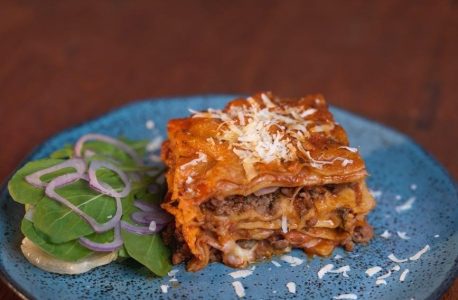
Understanding Wound Healing & Lasagna Analogy (Rana Lasagna)
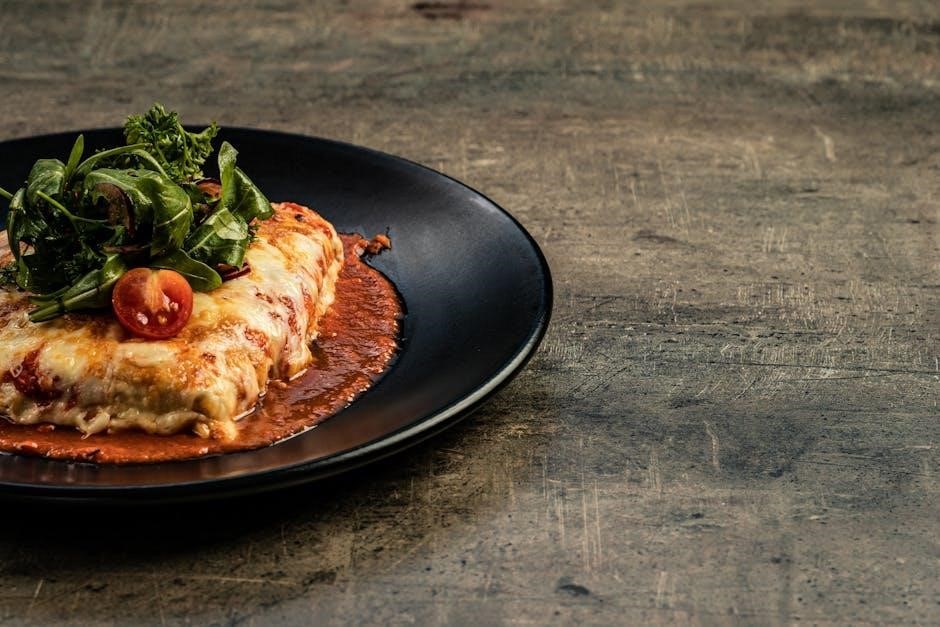
Rana Lasagna, a delightful culinary creation, mirrors the complex stages of wound healing; each layer representing a crucial phase in tissue repair and restoration.
Imagine crafting a Rana Lasagna – a layered masterpiece; This seemingly simple dish beautifully illustrates the intricate process of wound healing. Just as a lasagna requires a foundation, filling, and topping, wound repair unfolds in distinct, overlapping phases. We’ll use this analogy to understand each stage. The base represents initial stabilization, the ricotta embodies inflammation, the meat sauce signifies tissue building, and the mozzarella symbolizes final remodeling.
Each layer must be properly prepared and assembled for a perfect result, mirroring the body’s need for optimal conditions for healing. Understanding this “Rana Lasagna” model provides a relatable framework for grasping the complexities of tissue regeneration.
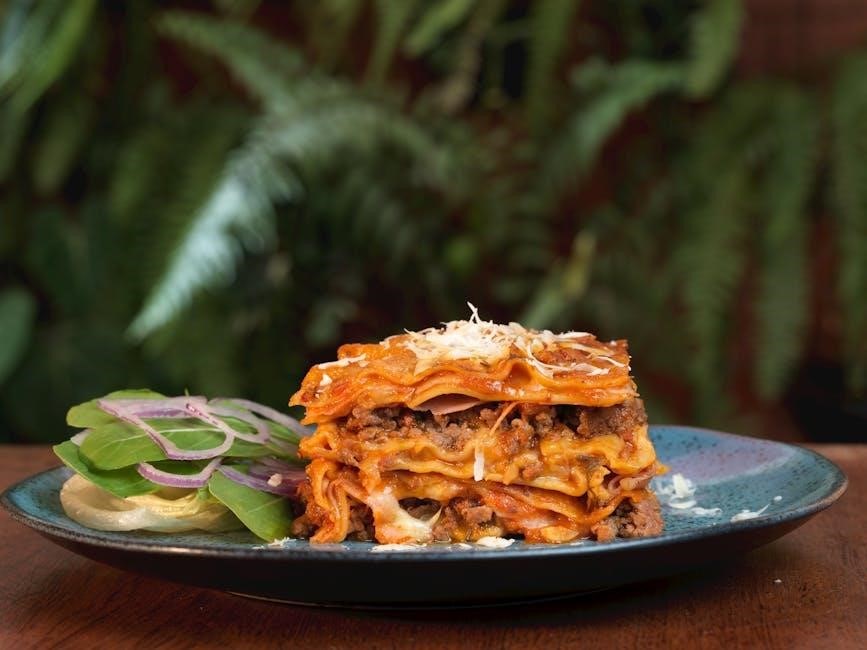
The Four Phases of Wound Healing
Like building a Rana Lasagna, wound healing progresses through four key phases: hemostasis, inflammation, proliferation, and remodeling – each essential for repair.
Phase 1: Hemostasis ⏤ The “Base Layer” of Lasagna
Just as the base layer of ricotta cheese stabilizes a Rana Lasagna, hemostasis is the initial response to injury. This crucial phase immediately follows tissue damage, focusing on stopping the bleeding. Think of it as quickly sealing the broken vessels – much like spreading a firm foundation. Platelets aggregate, forming a clot, a temporary plug to prevent further blood loss. This process is rapid, occurring within minutes, and sets the stage for subsequent healing events. Without this foundational step, the entire process would be compromised, mirroring a lasagna with a soggy, unstable base. It’s the essential first step!
Phase 2: Inflammation ⎼ The “Ricotta Layer”
The creamy ricotta layer in Rana Lasagna beautifully represents the inflammatory phase of wound healing. While seemingly counterintuitive, inflammation is vital! It’s characterized by redness, swelling, heat, and pain – signals that the body’s defense mechanisms are activated. Immune cells, like neutrophils and macrophages, rush to the site, clearing debris and bacteria. This phase prepares the wound for tissue repair. Think of it as the body’s cleaning crew, diligently preparing the area. Though uncomfortable, inflammation is a necessary step, much like the ricotta adds richness and prepares the palate for the layers to come.
Phase 3: Proliferation ⏤ Building the “Meat Sauce”
The robust meat sauce of Rana Lasagna embodies the proliferative phase of wound healing. This is where the real building begins! Fibroblasts migrate to the wound, laying down collagen – the structural protein forming new tissue. New blood vessels (angiogenesis) sprout, delivering oxygen and nutrients essential for repair. Granulation tissue, a reddish, bumpy texture, fills the wound bed, resembling the hearty texture of a well-made meat sauce. This phase is about reconstruction, actively closing the wound and restoring its integrity. It’s a busy time, mirroring the simmering, flavorful development of the sauce itself.
Phase 4: Remodeling ⎼ The “Mozzarella Topping” & Maturation
The golden, bubbly mozzarella topping of Rana Lasagna represents the remodeling phase – the long-term maturation of the wound. Collagen fibers are reorganized and strengthened, increasing tensile strength. The wound may still be sensitive, but it’s becoming more durable, like a perfectly baked lasagna. Scar tissue forms, though it may never be as strong as original tissue. This phase can take months or even years, continuously improving the wound’s appearance and function. It’s a gradual process, much like allowing the lasagna to rest, solidifying its delicious structure.
Signs of Proper Wound Healing (Lasagna Indicators)
A well-made Rana Lasagna signifies healthy healing: diminishing discomfort, reduced swelling, and the development of robust, textured layers – all positive indicators.
Decreasing Pain ⎼ Like a Perfectly Baked Lasagna
Just as a perfectly baked Rana Lasagna offers comforting warmth without burning, a healing wound experiences a gradual reduction in pain. Initial discomfort is expected, mirroring the initial heat of baking. However, as the healing progresses – akin to the lasagna settling – pain should diminish steadily. This lessening of pain signals that the body’s restorative processes are effectively managing the injury. A consistently decreasing pain level is a reassuring sign, indicating the wound is responding positively to care and is moving towards complete repair, much like a lasagna reaching its ideal temperature and texture.
Reduced Swelling ⏤ No Overflowing Sauce
Similar to a well-constructed Rana Lasagna avoiding overflowing sauce, a healing wound should exhibit decreasing swelling. Initial inflammation causes fluid accumulation, comparable to the sauce bubbling during baking. However, as healing advances, the body reabsorbs this excess fluid, mirroring the sauce settling within the lasagna layers. Reduced swelling indicates improved circulation and lymphatic drainage, essential for tissue repair. Persistent or increasing swelling, like an overflowing lasagna, suggests potential complications. Observing a gradual reduction in swelling is a positive indicator, signifying the wound is progressing towards a stable and healed state.
Granulation Tissue Formation ⎼ The “Texture” of the Meat Sauce
Just as a rich meat sauce provides the core texture of a Rana Lasagna, granulation tissue is vital for wound healing. This vibrant, red tissue signifies the body’s rebuilding efforts, filling the wound bed with new capillaries, fibroblasts, and collagen. It’s a sign that proliferation is actively occurring, laying the foundation for new skin. Healthy granulation tissue resembles the consistent, slightly bumpy texture of well-prepared meat sauce – not too dry, not too wet. Its presence confirms the wound is progressing from inflammation towards closure, a crucial step in the restorative process.
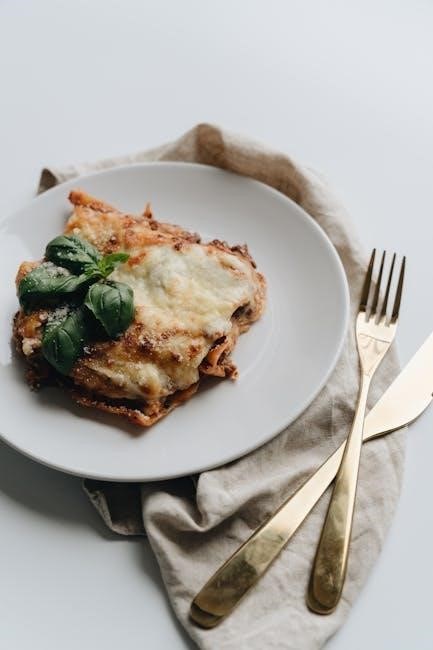
Signs of Impaired Wound Healing (Lasagna Problems)
Like a lasagna gone wrong, impaired healing shows issues. Persistent pain, excessive swelling, or a lack of tissue development signal a problem needing attention.
Increased Pain ⎼ Burnt Lasagna
Just as a burnt lasagna causes discomfort, escalating pain around a wound isn’t a good sign. Initially, some pain is expected during the healing process, but it should gradually diminish over time. A sudden increase in pain intensity, or pain that persists or worsens, suggests something is hindering proper healing. This could indicate an infection brewing beneath the surface, nerve damage, or excessive pressure on the wound site. Ignoring this warning sign can lead to complications and prolonged recovery. Remember, consistent and increasing pain demands immediate medical evaluation, much like discovering a blackened, inedible lasagna!
Excessive Swelling ⏤ Soggy Lasagna
A soggy lasagna is unappetizing, and excessive swelling around a wound is equally concerning. While some initial swelling is a natural part of the inflammatory response, prolonged or increasing edema signals a problem. This could be due to fluid buildup, impaired lymphatic drainage, or an underlying infection. Unlike a well-constructed lasagna, a wound with excessive swelling isn’t progressing towards stability. Redness and warmth accompanying the swelling further suggest inflammation is out of control. Ignoring this “sogginess” can delay healing and potentially lead to complications. Prompt medical attention is crucial to address the underlying cause and restore proper wound progression.
Lack of Granulation Tissue ⏤ Missing Meat Sauce
A lasagna without meat sauce is incomplete, just as a wound lacking granulation tissue struggles to heal. Granulation tissue, the bumpy, red tissue, signifies the proliferative phase – new blood vessels and connective tissue forming the foundation for skin repair. Its absence indicates the wound isn’t progressing beyond the inflammatory stage. This could stem from poor blood supply, persistent infection, or underlying health conditions. Like a missing key ingredient, granulation tissue is essential for wound closure. Without it, the wound remains stalled, increasing the risk of chronic issues. Medical evaluation is needed to identify and address the impediment.
Factors Affecting Wound Healing (Lasagna Ingredients)
Just as lasagna quality depends on ingredients, wound healing relies on nutrition, blood flow, and infection control for optimal tissue repair and recovery.
Nutrition ⏤ Quality of Ingredients
Think of nutrition as the high-quality ingredients for our lasagna. Just as a delicious lasagna requires fresh pasta, flavorful sauce, and rich cheeses, effective wound healing demands adequate protein, vitamins (especially C and A), and minerals like zinc. Protein is the building block for new tissue, mirroring the layers of pasta and filling. Vitamins C and A contribute to collagen synthesis, essential for structural integrity – like a well-set sauce. Zinc supports immune function, preventing spoiled ingredients, or infection.
A deficiency in these nutrients can delay healing, resulting in a “soggy” or incomplete repair, much like a lasagna made with subpar components. Proper nourishment fuels the body’s restorative processes, ensuring a robust and successful healing outcome.
Blood Supply ⎼ Even Heat Distribution
Consider blood supply the even heat distribution within our lasagna. Just as consistent heat ensures every layer cooks perfectly, adequate blood flow delivers vital oxygen and nutrients to the wound site. This oxygen fuels cellular activity, essential for rebuilding tissue – akin to melting the mozzarella evenly. Poor circulation, like uneven oven temperatures, hinders this process, leading to delayed healing or areas of incomplete repair.
Conditions like diabetes or peripheral artery disease can compromise blood flow, creating “cold spots” in the healing process. Ensuring good circulation is paramount for a successful “bake,” mirroring optimal wound recovery.
Infection ⏤ Spoiled Ingredients
Think of infection as spoiled ingredients in our Rana Lasagna. Just as rotten meat or moldy cheese ruin the entire dish, bacteria in a wound disrupt the healing process. These unwelcome guests trigger an amplified inflammatory response, diverting resources away from repair and causing further tissue damage – a truly disastrous “bake.”
Signs of infection, like a foul odor or pus, are equivalent to spotting mold. Prompt intervention, like discarding spoiled ingredients, is crucial. Ignoring infection can lead to serious complications, halting healing and potentially requiring more aggressive treatment.
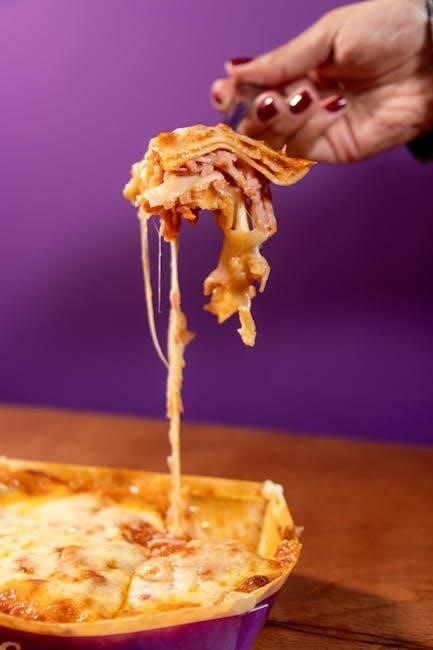
Wound Care Best Practices (Lasagna Cooking Tips)
Treating a wound is like crafting the perfect Rana Lasagna: meticulous preparation, consistent care, and protection are key to a successful outcome!
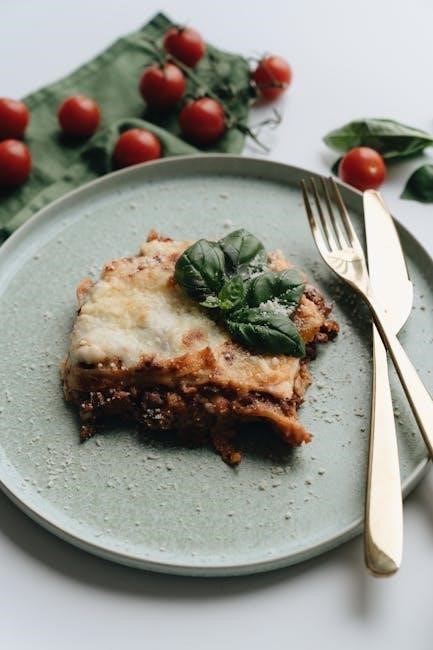
Keeping the Wound Clean ⎼ Clean Baking Dish
Just as a spotless baking dish is essential for a delicious Rana Lasagna, maintaining wound cleanliness is paramount for optimal healing. Begin by gently cleansing the affected area with mild soap and water, removing any visible debris or contaminants. Avoid harsh scrubbing, which can disrupt the healing process. Think of it as delicately preparing your lasagna layers – gentle handling is crucial!
Ensure your hands are thoroughly washed before and after tending to the wound. A clean environment minimizes the risk of infection, mirroring the importance of a pristine dish for a safe and tasty lasagna. Regular cleaning, typically once or twice daily, promotes a healthy healing environment, much like ensuring your lasagna ingredients are fresh and uncontaminated.
Moist Wound Healing ⏤ Proper Sauce Consistency
Similar to achieving the perfect sauce consistency in a Rana Lasagna, maintaining a moist wound environment is vital for efficient healing. A slightly damp wound bed encourages cell migration and prevents scab formation, which can hinder progress. Think of the sauce as providing essential nutrients – a moist environment delivers oxygen and growth factors to the healing tissues.
Apply a thin layer of appropriate wound dressing to retain moisture without causing maceration. Avoid letting the wound dry out completely, as this can lead to discomfort and delayed healing. Just as a well-sauced lasagna is flavorful and satisfying, a properly hydrated wound promotes faster and more comfortable recovery.
Protecting the Wound ⏤ Covering the Lasagna
Just as you’d cover a baking Rana Lasagna with foil to prevent over-browning and maintain moisture, protecting a wound is crucial. A sterile dressing acts as a barrier against external contaminants like bacteria and physical trauma, minimizing infection risk and promoting undisturbed healing. This protective layer shields delicate new tissue from damage, allowing it to rebuild effectively.
Choose a dressing appropriate for the wound type and size, changing it regularly as directed by a healthcare professional. Consistent protection, like a well-covered lasagna, ensures optimal conditions for a successful and speedy recovery, safeguarding the healing process.
When to Seek Medical Attention (Lasagna Emergency)
If your “lasagna” – the wound – shows signs of infection (mold!) or simply won’t “bake” (heal), consult a healthcare professional immediately for guidance.
Signs of Infection ⏤ Moldy Lasagna
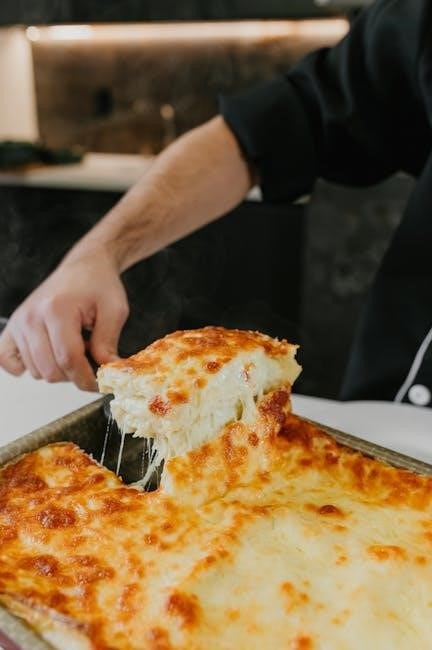
Just as mold ruins a perfectly good lasagna, infection jeopardizes wound healing. Watch for telltale signs – a “moldy” appearance, indicated by increased redness, warmth, or pus. A foul odor emanating from the wound is another alarming indicator, similar to spoiled lasagna ingredients.
Fever, chills, and swollen lymph nodes near the wound site also suggest infection. These systemic symptoms signal the body is battling a significant threat. Ignoring these “lasagna emergency” signals can lead to delayed healing, complications, and potentially serious health consequences. Prompt medical attention is crucial to address the infection and restore the healing process.
Non-Healing Wounds ⎼ Lasagna Won’t Bake
A lasagna that stubbornly refuses to bake despite adequate time and temperature parallels a non-healing wound. If your wound shows no improvement after several weeks, or even worsens, it’s a critical sign. Persistent pain, lack of granulation tissue, and continued drainage are red flags, like a lasagna with uncooked layers.
Underlying conditions like diabetes, vascular insufficiency, or immune deficiencies can impede healing. Don’t ignore this “lasagna emergency”; seek professional evaluation. A healthcare provider can identify the cause of the stalled healing and implement appropriate interventions to get things back on track.